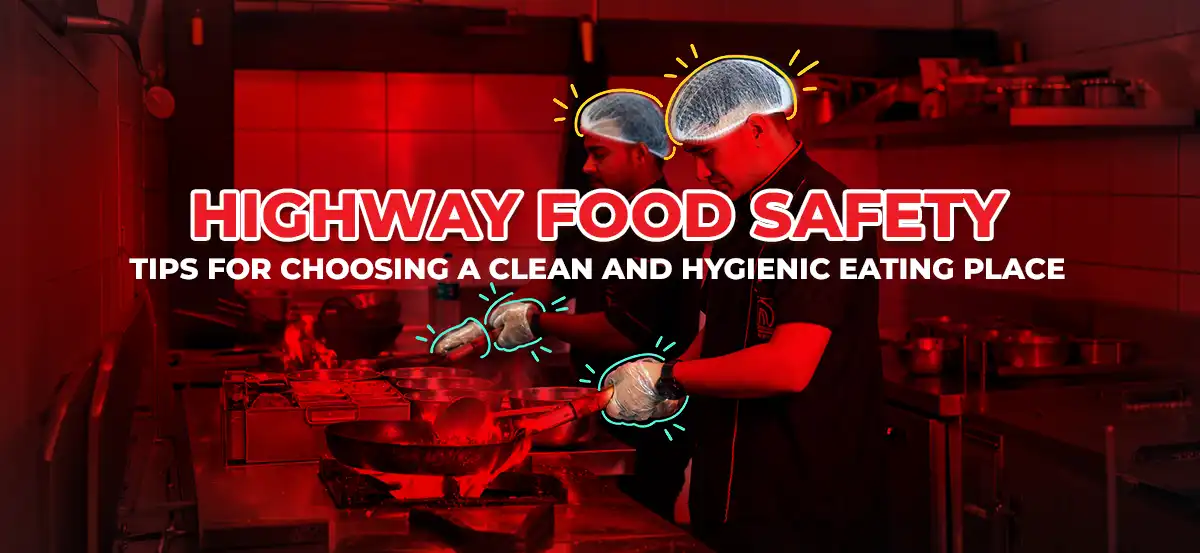
Highway Food Safety: Tips for Choosing a Clean and Hygienic Eating Place on Your Road Trip
Road trips are one of life’s great pleasures, open roads, good company, and the freedom to stop wherever the journey takes you. But one decision that every traveller faces is where to eat. A good highway food stop can make your journey memorable. A poor one can ruin it entirely.
Whether you are driving from Delhi to Chandigarh, heading towards Himachal Pradesh, or crossing through Haryana on a weekend getaway, choosing a clean, hygienic, and trustworthy highway restaurant matters more than most people realise. Foodborne illness during a long drive is not just uncomfortable, it can be genuinely dangerous.
This guide gives you practical, easy-to-follow highway food safety tips to help you make smarter dining decisions on your next road trip.
Why Highway Food Safety Should Never Be an Afterthought
Food safety on highways is a real concern. Contaminated food, poor storage, unhygienic kitchens, and improper food handling can all cause serious illness, and the risks increase during hot weather when perishable food spoils faster and access to refrigeration is limited.
Unlike restaurants in cities, highway dhabas and roadside eateries often serve high volumes of travellers with varying standards of hygiene. Some are excellent. Others are not. Knowing what to look for helps you choose confidently rather than guessing.
The good news is that a quick, informed look around before you sit down can tell you a great deal about whether a place is worth stopping at.
1. Check the Cleanliness of the Dining Area First
Before you order anything, take one minute to look around. The dining area is the first and most visible indicator of a highway restaurant’s overall hygiene standards.
Look for:
- Tables and chairs that are cleaned between customers
- Floors that are reasonably tidy and free of food waste
- Waste bins that are covered and regularly emptied
- Serving counters that are organised and clean
- No visible signs of pests near food or eating areas
- Door handles, condiment containers, and shared utensils that look maintained
A clean dining environment does not guarantee completely safe food, but a visibly dirty one is a clear reason to drive on.
If you are travelling with family and need a reliable, well-maintained stop on the Delhi-Chandigarh highway, read our guide to the best restaurant with a kids’ play area on the highway for trusted options that prioritise both hygiene and comfort.
2. Always Choose Freshly Prepared and Properly Cooked Food
Fresh, hot, and thoroughly cooked food is your safest bet on any highway stop. Food that has been sitting uncovered for extended periods, especially in warm weather, is a risk not worth taking.
Practical tips for choosing safer highway food:
- Order freshly prepared dishes rather than pre-cooked food on display
- Choose food that is served hot, straight from the kitchen or tandoor
- Avoid dishes that appear to have been left uncovered near dust or insects
- Be cautious with dairy-based curries, cooked rice, and meat dishes that may have been sitting out
- Check that refrigerated items: cold drinks, curd, lassi, are actually kept chilled
The smell and appearance of food can give you early warning signs, but proper cooking and storage are equally important and not always visible from the outside.
3. Watch How Staff Handle and Prepare Food
Restaurant staff are the most direct link between raw ingredients and the food on your plate. Their hygiene habits play a critical role in keeping food safe.
When you arrive at a highway dhaba or restaurant, briefly observe:
- Whether staff are wearing clean clothing and have hair properly covered
- Whether food handlers avoid unnecessary contact with ready-to-eat food
- Whether serving utensils, plates, and glasses look clean
- Whether staff wash hands at appropriate points, after handling waste, touching raw ingredients, or returning from outside
Gloves can be helpful but are not a substitute for proper handwashing. A staff member in clean, organised clothing who handles food carefully is a good sign. Visible carelessness is not.
4. Be Alert to Cross-Contamination Risks
Cross-contamination is one of the leading causes of foodborne illness in restaurant settings. It happens when harmful bacteria or allergens transfer from raw ingredients to cooked food, through shared utensils, unclean surfaces, or poor kitchen practices.
You may not always be able to inspect the kitchen, but serving and preparation areas visible from the dining room can offer useful clues:
- Are raw and cooked ingredients being handled separately?
- Are serving utensils used for one dish being kept away from others?
- Do staff change gloves or wash hands between handling different food types?
If you notice visibly unhygienic food handling, trust your instincts and choose another stop. There are always alternatives on North India’s major highway routes.
5. Check the Washrooms Before You Sit Down
Clean washrooms are one of the most reliable indicators of a highway restaurant’s overall maintenance standards. A well-run establishment takes care of its washrooms the same way it takes care of its kitchen.
What to look for in a highway restaurant washroom:
- Clean toilets and sinks that are regularly maintained
- Running water that is safe to use
- Soap available at every sink
- Proper hand-drying facilities, paper towels or a working hand dryer
- Waste managed regularly with no overflow
- No obvious signs of neglect or long-term uncleanliness
Always wash your hands with soap and clean water before eating, regardless of where you stop. This single habit can significantly reduce your risk of picking up harmful bacteria during travel.
Families travelling with young children or elderly members will find clean, accessible washrooms especially valuable when planning a comfortable highway break.
6. Look at How Food Is Stored and Displayed
Proper food storage is as important as proper cooking. Ingredients that need refrigeration must be kept cold. Prepared dishes should be protected from dust, flies, and direct sunlight.
When you look around a highway restaurant, notice:
- Whether prepared food is covered or protected from the environment
- Whether perishable items are stored in refrigeration, not left at room temperature
- Whether raw ingredients are kept away from cooked dishes
- Whether dry ingredients are stored in clean, enclosed containers
You cannot check storage temperatures directly as a customer. But food left uncovered on counters in warm weather, or perishable items sitting without refrigeration, are visible warning signs worth taking seriously.
7. Do Not Rely on Popularity as a Safety Guarantee
A busy highway dhaba with a packed parking lot can feel reassuring, but popularity alone does not mean the food is safe. High customer traffic may mean faster ingredient turnover, but it does not guarantee proper food handling, clean kitchens, or hygienic staff practices.
Before you choose a highway restaurant, ask yourself:
- Does the dining area look clean and well-maintained?
- Is food protected from dust, insects, and unnecessary handling?
- Do staff appear to follow basic hygiene practices?
- Are washrooms and handwashing facilities in good condition?
- Does food appear to be cooked fresh and stored correctly?
Online reviews and ratings can provide useful background, but always combine them with your own observations when you arrive. Conditions change, and a review from months ago may not reflect today’s standards.
8. Be Extra Careful With Raw Foods, Cut Fruit, Ice, and Sauces
Certain foods and drinks carry higher risks during highway travel, particularly when water quality, refrigeration access, or food preparation conditions are uncertain.
Foods to approach carefully:
- Raw salads: may have been washed with untreated water
- Pre-cut fruit: risk of contamination if not handled hygienically after cutting
- Ice in drinks: safe only if made from clean, treated water
- Open sauces and chutneys: exposed to dust, insects, and multiple contact points throughout the day
Safer alternatives:
- Whole fruit you can wash and peel yourself
- Drinks from sealed bottles or freshly made with trusted ingredients
- Sauces served in covered containers rather than open bowls
These precautions do not mean avoiding local food entirely, North Indian highway food is genuinely wonderful and worth enjoying. They simply mean paying attention to how it is prepared, stored, and served.
9. Observe Cleaning Routines and Waste Management
A restaurant’s commitment to hygiene shows not just in the food but in how the entire space is maintained. Dining areas, serving counters, washrooms, and waste disposal zones all need consistent attention.
Watch for:
- Tables being wiped down between customers, not just at opening time
- Waste bins that are covered and emptied before they overflow
- Floors that are swept or mopped during service, not just at closing
- High-touch surfaces: door handles, chair backs, condiment holders, that show regular cleaning
Good cleaning removes visible dirt. Proper sanitation reduces bacteria. The best highway restaurants do both consistently, and it shows in how the space feels when you walk in.
10. Your Own Food Safety Habits Matter Too
Choosing a hygienic restaurant is important, but your personal habits during travel play an equally significant role in keeping you and your family safe.
Simple personal food safety habits for road trips:
- Wash hands with soap and clean water before every meal, not just sanitiser
- Use clean plates and utensils, and ask for replacements if anything looks unclean
- Avoid food that smells off or shows obvious signs of spoilage
- Drink water from sealed bottles or trusted sources
- Keep perishable snacks properly stored during travel, not in a hot car
- Do not eat cooked food that has been sitting in a vehicle for hours in warm weather
These habits are especially important during summer travel in North India, when temperatures accelerate food spoilage significantly.
Quick Highway Food Safety Checklist Before You Order
Use this checklist every time you stop at a new highway restaurant or dhaba:
- Dining area looks clean and organised
- Food is protected from dust, insects, and direct sunlight
- Cooked food is served hot and freshly prepared
- Perishable food appears to be properly refrigerated
- Staff are dressed cleanly and handle food hygienically
- Serving utensils and crockery look clean and dry
- Washrooms have soap, running water, and hand-drying facilities
- Waste bins are covered and regularly maintained
- No visible signs of pests near food or serving areas
The overall environment feels well-maintained and cared forNo checklist can make any meal completely risk-free. But these ten points can help you spot obvious warning signs before you order, and steer you towards restaurants that take hygiene seriously.
Choosing a Trusted Highway Stop With Mannat Group
A great highway stop should offer more than just food. Travellers deserve clean facilities, a comfortable environment, freshly prepared meals, and the confidence that the place they are eating at actually cares about their wellbeing.
Mannat Group has been serving highway travellers across North India since 2005, maintaining consistent standards of food quality, hygiene, and hospitality across all its properties: Mannat Dhaba, Mannat Haveli, Mannat Resort, and MG Café on NH-44, Murthal, Haryana.
If you are planning a journey along the Delhi-Chandigarh highway, our detailed guide to top places to eat on the Delhi-Chandigarh highway can help you plan the perfect food stop for your route.
As always, assess any restaurant’s cleanliness and facilities when you arrive, because consistent hygiene, not reputation alone, is what makes a highway stop truly trustworthy.
Conclusion
Highway food safety is not complicated, it simply requires a little awareness before you sit down and order. Check the dining area, observe how food is handled, choose freshly cooked dishes, use clean washrooms, and practise good hand hygiene throughout your journey.
The next time you are on a road trip across North India, look beyond the menu and take a moment to assess the overall hygiene of the place you are stopping at. A well-chosen food stop is not just about great taste, it is about arriving at your destination feeling well, comfortable, and ready to enjoy the rest of your journey.
FAQs
Q1. How can I quickly identify a clean highway restaurant?
Check the dining area cleanliness, observe how staff handle food, look at washroom facilities, and see whether food is covered and stored properly. A clean, well-organised space that is maintained during service, not just at opening, is a reliable positive sign.
Q2. Is freshly cooked food always the safer choice on a road trip?
Freshly cooked food served hot is generally a safer option than pre-cooked dishes on display. However, safe storage and proper handling before and after cooking are equally important and not always visible from the dining area.
Q3. Why is restaurant hygiene especially important during long highway journeys?
Hot weather, long travel times, and unfamiliar food sources all increase the risk of foodborne illness during highway travel. Choosing hygienic restaurants significantly reduces that risk and helps you complete your journey comfortably.
Q4. Which foods should I be most cautious about at highway dhabas?
Be cautious with raw salads, pre-cut fruit, ice of uncertain origin, open sauces, and perishable dishes that may have been kept at room temperature for extended periods, especially during summer travel.
Q5. Does a crowded highway dhaba mean the food is safe?
Not necessarily. Popularity means high customer traffic, not guaranteed hygiene. Always assess cleanliness, food handling, and washroom facilities independently, regardless of how busy a place appears to be.
Q6. What is the single most important food safety habit during road trips?
Washing your hands thoroughly with soap and clean water before every meal. This one simple habit significantly reduces your risk of picking up harmful bacteria during travel, regardless of where you stop.